

High interest rates have been an unwelcome storm for many parts of the economy, but defined benefit pension Plan Sponsors have rejoiced at the end of the long drought of historically low interest rates. The sharp rise in interest rates—and the accompanying reduction in plan funding liabilities—has led to a wave of plan terminations, annuitizations, and pension risk transfers. A key feature of this recent activity was the prioritization of innovative alternatives to traditional termination strategies, which fully protect plan participants while reducing annuitization and termination costs.
Captive Reinsurance and Defined Benefit Plans
One innovative solution is to use a Plan Sponsor’s captive insurance company to reinsure the risks of the issuing insurer’s annuity contract. This contract funds the defined benefit plan while it remains active and provides annuities to participants if the plan is later terminated. By partnering with a fronting insurer, the captive assumes the primary underwriting risk, significantly reducing the cost of the annuity. Depending on the structure of the program, this arrangement may require the approval of the U.S. Department of Labor (DOL) through the grant of an individual prohibited transaction exemption. In July, the DOL tentatively authorized the first such arrangement and submitted it for public comment. Tentative authorization allows the Plan Sponsor to proceed with the transaction, after which final authorization would be issued.
The DOL proposed the individual exemption in response to an application from the Memorial Sloan Kettering Cancer Center (MSK). MSK sponsors a well-funded, frozen defined benefit pension plan with obligations of roughly $1.5 billion. This approach results in plan savings of approximately 10% compared to traditional plan annuitization.
Primary Benefits Test and Other Exemption Conditions
As with any individual exception, the DOL requires that a program meet certain conditions. The most significant is the “Primary Benefits Test,” which requires the majority of the economic benefit from the transaction to accrue to the plan participants and beneficiaries. In the MSK proposed exemption, just over half of the savings under the reinsurance arrangement will be directed to participants in the form of a one-time, universal benefit increase, resulting in a material increase of as much as 5% for participants in the frozen plan. This benefit increase would not be achievable using a traditional annuity solution.
The proposed exemption also requires ongoing oversight and approval by an independent fiduciary authorized to act on behalf of the plan, and regular reporting to DOL and state insurance regulators, both of whom will provide continuous oversight.
New Take on a Proven Process
While the use of a captive to reinsure third-party insurance company risk for ERISA-covered employee benefits is not new— the DOL has granted dozens of individual exemptions in connection with death, disability, and AD&D benefits in the past 25 years—this is the first time proposing such a tactic for a defined benefit pension plan annuity.
An individual exemption is necessary because the third-party annuity issuer is engaged by the plan with the understanding that it will reinsure its risk with the Plan Sponsor’s wholly-owned captive insurer, an arrangement that involves fiduciaries approving party-in-interest transactions prohibited by ERISA Sec. 406(a) and 406(b). To propose the exemption, the DOL used its authority under ERISA Sec. 408(a) to grant administrative exemptions where the DOL finds doing so to be in the best interest of participants, protects their benefits, and is administratively feasible.
Captive reinsurance is an increasingly important part of the employee benefits landscape for large Plan Sponsors, offering better control of costs; more timely and accurate claims data; and more efficient plan administration.
This is a welcome development for Plan Sponsors who have been looking for alternative avenues that allow them to provide more benefits to their plan participants while lowering the total cost of the transaction. This structure, widely used in European markets, could potentially create a new avenue for plan terminations in the U.S. market.
Cell and Gene Therapy (CGT) represents a revolutionary approach to the treatment of rare and complex diseases. Cell therapy is the transfer of live cells, into a patient to lessen or cure a disease using cells from the patient or a donor. Cell therapy can be used to treat a variety of conditions, including cancer, autoimmune diseases, and neurological disorders1,4,5.
Gene therapy alters faulty genes or replaces them with healthy ones to correct genetic disorders at the molecular level. Unlike traditional treatments that often focus on managing symptoms, gene therapy targets the underlying cause of a disorder, offering a potential one-time curative intervention that could radically improve the quality of life for patients. With nearly all gene therapies designed to provide durable effects from a single administration, these cutting-edge therapies are considered transformative, particularly for rare and genetic diseases that have long lacked effective treatment options.
Currently, there are over 30 FDA-approved cell and gene therapy treatments5 in the United States, with more than 4,000 therapies at various stages of development. While prevalence and incidence rates are low today, experts predict the treatable population will increase 11.5 times over the next five years, reaching nearly 50,000 patients in the US alone1,5. This growth is driven not only by the increased pace of FDA approvals for more prevalent diseases but also by greater access to qualified providers and facilities.
Cell and gene therapies are closely related and often overlap. In some cases, both are used together to treat diseases. For example, cell-based gene therapy involves removing cells from a patient, modifying them using gene therapy, and then reintroducing the modified cells into the patient’s body. Treatments for Duchenne Muscular Dystrophy (DMD), certain cancers, and spinal fusion are just a few examples3,4.
How Cell and Gene Therapy Will Transform Healthcare in the Next Decade
Cell and gene therapy are poised to radically transform healthcare over the next decade by offering potential cures for currently untreatable diseases, such as genetic disorders, certain cancers, and neurological conditions. These therapies allow for more targeted and potentially life-changing treatments. The ability to address the root cause of diseases, rather than simply managing symptoms, could lead to a paradigm shift in medical treatment. Conditions like sickle cell anemia, cystic fibrosis, Parkinson’s disease, and even HIV may benefit from these breakthroughs. This shift could foster a focus on preventative and curative approaches, moving away from the current treatment protocols that primarily manage symptoms.
These therapies have already caused significant disruptions in the pharmaceutical industry, pushing beyond traditional methods of disease management to fundamentally curative approaches. In the short term, more than a dozen new therapies could gain approval in 2024, including treatments for multiple myeloma and leukemia. In 2025, new treatments for hemophilia A and cutaneous melanoma could be approved. By 2026, there is potential for gene therapies targeting wet age-related macular degeneration and knee osteoarthritis, a condition affecting millions1.
- Advancements in Cancer Therapy2,3,4: CAR-T cell therapy uses a patient’s immune cells to specifically target and attack cancer cells, creating a personalized approach that could be more effective.
- Regenerative Medicine2,3,4: Stem cell therapies are being explored to regenerate damaged tissues and organs, offering potential treatment options for conditions like heart disease, diabetes, and neurodegenerative diseases.
- Personalized Medicine2,3,4: Cell and gene therapy may result in highly customized treatments tailored to an individual’s specific genetic makeup.
- Improved Treatment Outcomes2,3,4: Patients may no longer need to manage symptoms of chronic diseases, but rather address the underlying genetic causes, providing long-term and potentially curative solutions.
The Future of Treating Chronic Conditions
In the next decade, cell and gene therapies may expand beyond rare genetic conditions and cancers to include areas like cardiology and neurology, including high-profile diseases such as ALS and coronary artery disease. The prospect of next-generation viral-vector therapies for neurodegenerative conditions like Parkinson’s disease suggests the possibility of curing these lifelong diseases rather than simply managing them. Gene therapy could also disrupt transplantation by reducing, or even eliminating, the need for donor organs. Therapies could enable patients’ own cells to regenerate damaged tissues, bypassing immunosuppression or the need for transplantation entirely offering a groundbreaking alternative to transplants and potentially alleviating the donor shortage crisis.
Targeted Cell and Gene Therapy: In Vivo and Ex Vivo Approaches
Both in vivo and ex vivo therapies will play crucial roles in the future of cell and gene therapy. In vivo therapies involve directly administering a therapeutic agent into the patient, allowing for gene modification within the body to treat diseases affecting complex tissues and organs. This approach holds promise for treating conditions like heart disease and central nervous system disorders. In contrast, ex vivo therapies involve removing cells from a patient or donor, editing those cells in a controlled environment, and reintroducing them into the patient. This method has been particularly effective in CAR-T cell therapy for certain cancers, offering precise gene editing in a controlled setting.
As these techniques mature, they will expand into areas beyond oncology and hematology. For instance, 51% of current cell therapy pipelines are focused on CAR-T therapies, while other areas, such as RNA therapies and non-genetically modified cell therapies, are rapidly growing to address conditions ranging from pancreatic cancer to Duchenne Muscular Dystrophy1.
Systemic and Economic Challenges of Scaling Cell and Gene Therapy
Cell and gene therapies are inherently complex, and large-scale adoption requires healthcare systems to navigate both logistical and economic challenges. With over 4,000 therapies currently in development, 650 of which are in Phase II or beyond1, the healthcare ecosystem must adapt quickly to accommodate a surge of new treatments. Key factors include:
- Regulatory Adaptation and Oversight4: As therapies approach the market, regulatory bodies like the FDA’s Office of Tissues and Advanced Therapies (OTAT) will need to streamline and update guidelines to ensure safety and effectiveness. With over 100 therapies in Phase III trials, regulatory adaptations may be necessary to expedite approvals while balancing innovation with patient protection.
- Cost and Accessibility4: Cell and gene therapies are costly, with many treatments exceeding $1 million per patient. To manage the financial burden, outcome-based payment models, such as value-based pricing, subscription models, and risk-pooling arrangements, are being explored to make life-changing therapies accessible without straining employers and insurers financially. Employers may need to re-evaluate benefit plans to address these high-cost treatments.
- Healthcare Delivery Infrastructure2,4: Widespread adoption of cell and gene therapy will require specialized treatment centers and care delivery protocols. Advanced digital infrastructure will also be needed to support long-term patient monitoring, given the durability of gene therapies and the need for consistent data on success. Healthcare providers will need to educate and train professionals across specialties to provide appropriate follow-up and supportive care.
What’s Next for Cell and Gene Therapy?
The cell and gene therapy pipeline is robust, with 348 therapies expected to come to market within the next 3-5 years1. This includes new therapies for neurology and cardiology, areas where gene therapy has historically been less prevalent. As gene and cell therapies diversify into new specialties, they offer new avenues for treating complex diseases that have previously had limited therapeutic options. For example, in oncology, therapies are being developed for hard-to-treat cancers such as pancreatic, liver, and head and neck cancer. In neurology, therapies for conditions like ALS and Huntington’s disease are progressing through clinical trials and could open the door to targeted, long-term treatments for these debilitating diseases.
Moving from Treatment to Cure
Over the next decade, as gene therapies evolve from symptomatic treatments to curative solutions, the approach to chronic and genetic diseases may be forever altered. From reducing the need for transplantation to curing neurodegenerative diseases with a single treatment, cell and gene therapy has the potential to fundamentally redefine healthcare and patient outcomes. By addressing diseases at their genetic roots, gene therapy may offer patients a future free from the limitations of chronic illness, providing transformative solutions, health, and hope for those affected by genetic and complex diseases. Additionally, while the upfront costs of gene therapy can be high, these treatments could ultimately reduce long-term healthcare expenses by minimizing the need for ongoing care and costly treatments for chronic conditions.
As this field advances, cell and gene therapy’s impact on healthcare will be profound, laying the groundwork for a future in which medicine is curative, not just therapeutic. The next 10 years hold the promise of remarkable change, and as cell and gene therapies move from research labs to patient bedsides, the healthcare industry and society at large will need to prepare for a world where “treatment” is redefined by the power of genetic science.
1 https://www.asgct.org/publications/landscape-report
2 https://icer.org/news-insights/press-releases/icer-publishes-final-evidence-report-on-gene-therapies-for-sickle-cell-disease/
3 https://www.mckinsey.com/industries/life-sciences/our-insights/how-could-gene-therapy-change-healthcare-in-the-next-ten-years
4 https://www.milliman.com/-/media/milliman/pdfs/articles/managing_risks_related_to_gene_and_cell_therapies_for_self-insured_employers_with_stop-loss-coverage.ashx
5 https://www.fda.gov/vaccines-blood-biologics/cellular-gene-therapy-products
In a recent article from Captive.com, our SVP, Prabal Lakhanpal explains how rising healthcare costs can be mitigated through captive insurance and medical stop-loss. You can find the full article here.
In a recent article from Captive.com, our SVP, Prabal Lakhanpal explains how captive insurance can be a viable solution for employers to combat the current hard market. Check out the full article here.
Our Senior Vice President, Prabal Lakhanpal, was quoted in an article from Captive.com spotlighting how private equity firms can utilize captive insurance to lower the costs of risk. You can find the full article here.
Title:
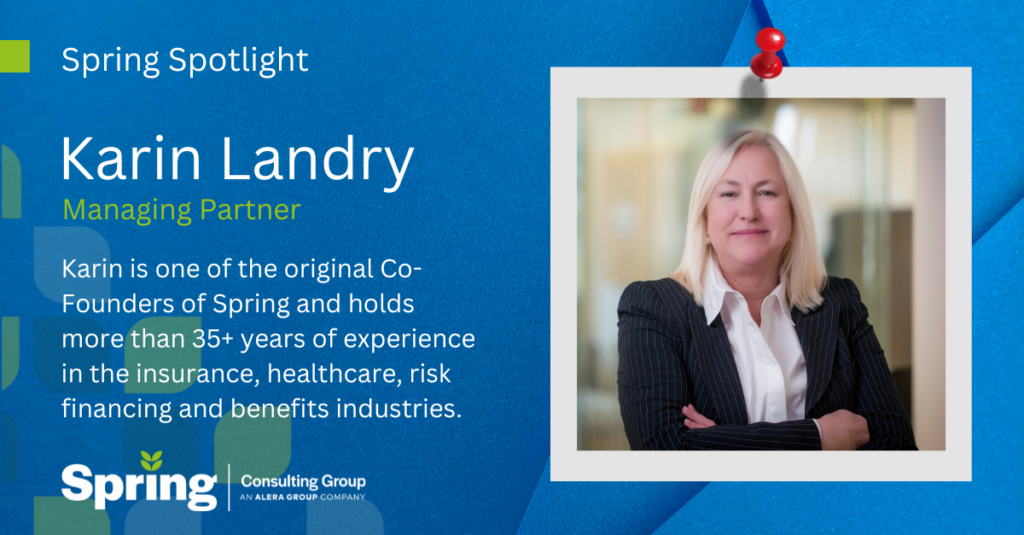
Managing Partner
When Did You Start Spring?:
In 2004, I co-founded Spring with Karen English, Steven Keshner, John Cassell, and Teri Weber as part of a management buy-out from Watson Wyatt. I thought we could all bring unique skills that would deliver for clients.
Where Are You From?:
I’m from Burlington, MA, and I’ve lived in Massachusetts most of my life. Although now I also spend time in Rhode Island and New Hampshire.
At Work Responsibilities:
I lead the team, drive thought leadership and business development, and contribute to some of our largest consulting engagements. My role also involves shaping our firm’s strategy and fostering client relationships.
Outside Of Work Hobbies/Interests:
I enjoy traveling, playing tennis, spending time with the family and following Formula 1.
Fun Fact:
I majored in both finance and film because I was passionate about becoming a movie director. You never know where your career path will take you!
Describe Spring In A Few Words:
Awesome people doing great work!
Favorite Movie:
The Seventh Seal by Ingmar Bergman.
Pets:
2 Pets named Shadow and Tygger . Shadow is a sweet, large black labrador retriever who loves to play! Tygger is a cat (whose coloring resembles Tigger from Winnie the Pooh).
Do You Have Any Children?:
I have 2 incredible daughters: Emily (46) and Stephanie (36)
Favorite Food:
I enjoy a bit of everything, especially love variety—Thai food comes to mind first!
Favorite Place Visited:
Stockholm during the winter.
If You Were A Superhero Who Would You Be?:
Wonder Woman.
Favorite Book:
Black Bird Oracle Book by Deborah Harkness.
Name One Thing On Your Bucket List:
To visit Jerusalem.
What Is One Of Your Proudest Moments?:
Seeing my daughter graduate and get married.
If You Won The Lottery, What Is The First Thing You Would Do?:
I would donate back to the community. Rosie’s Place is a specific philanthropy I’ve been involved with and they do wonderful work on behalf of women in the Boston communities. I’d use the winnings to help those less fortunate, to help lift them up.
What Are You Passionate About?:
Delivering excellent results for clients, building long-lasting relationships, and working with the incredible team we have at Spring!
Our Vice President, TJ Scherer recently wrote an article for Captive.com outlining steps employers should consider when forming a captive. You can find the full article here.
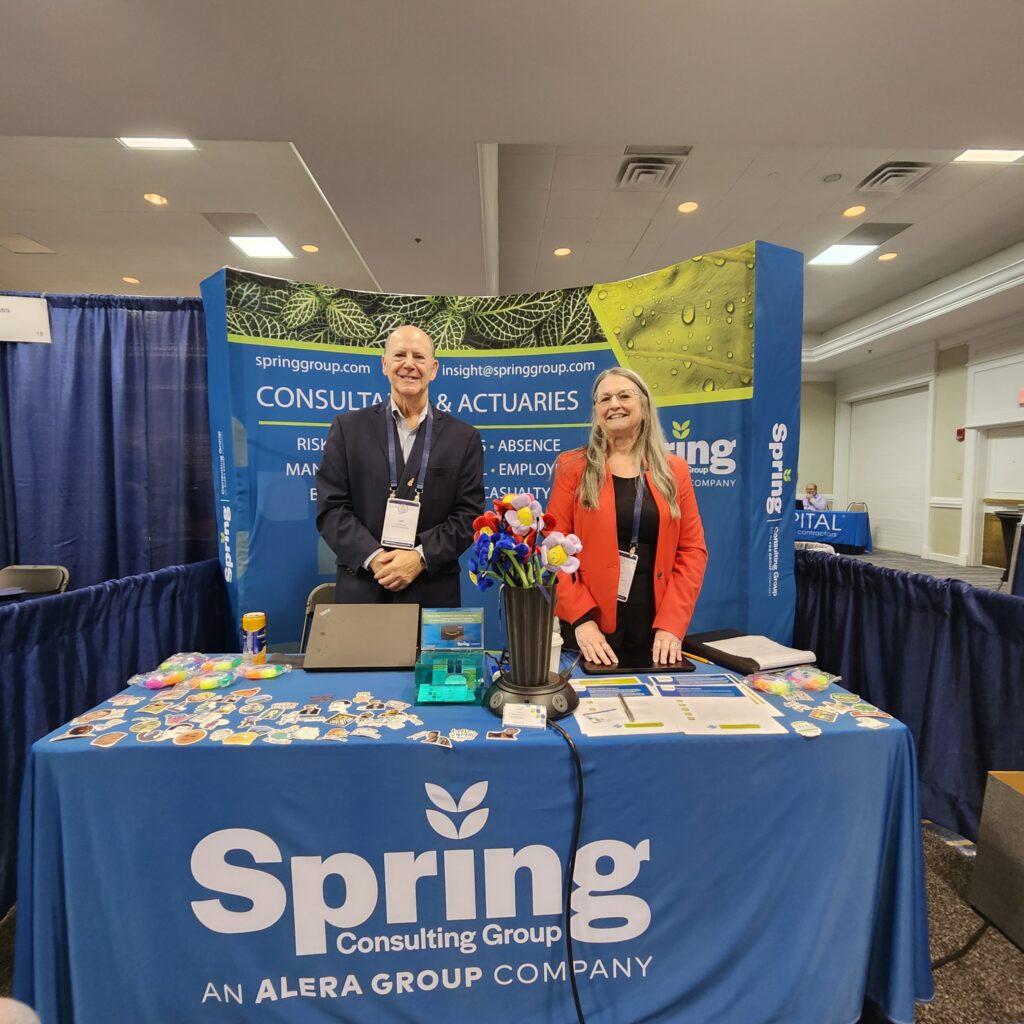
As we slowly approach the end of 2024, we had the pleasure of sponsoring and attending The Northeast HR Association (NEHRA)’s Annual Conference in the scenic Newport, RI. NEHRA brings together HR experts across the region to discuss current trends and developments impacting the HR and benefits industry. Some of the topics I found most noteworthy include:
Championing Diversity, Equity and Inclusion (DEI)
Championing DEI was a focal point at NEHRA’s Annual Conference this year, underscoring its significance in today’s workforce. By actively promoting diverse perspectives, organizations can enhance creativity and problem-solving capabilities, driving better business outcomes and creating equitable workplaces. Here are some related sessions I found impactful:
– The kickoff session, “Live & In-Person Employment Law Update – Cultural Flashpoints Edition,” spotlighted how HR teams can stay compliant regarding protected classifications such as religion, race, LGBTQ+ identity and national origin.
– The presentation “DEIB in Action: A Diversity Monologues Experience,” featured actors reenacting authentic employee experiences related to race, gender and sexual orientation.
– The interactive workshop, “Disability Etiquette,” demonstrated the do’s and don’ts when interacting with co-workers with disabilities such as vision, hearing, and mobility impairments as well as mental health, learning, and other non-apparent disabilities.
Fostering a Supportive (& Efficient) Work Culture
Creating a supportive yet efficient work culture remains a challenge for HR teams nationwide. Speakers shared best practices for prioritizing collaboration and open communication while emphasizing efficiency. This focus on supportive environments that boost employee morale and productivity was a hot-button topic this year.
– HR leaders explored unique “Situational Awareness & De-Escalation [tactics] in the Workplace” and tips for addressing high-tension workplace situations.
– As the war for talent continues, two talent acquisition professionals discussed the importance of “Strategic Flexibility: [and] Navigating Talent Shortages with Flexible Hiring Practices.”
-Berklee College of Music’s Associate Director of Talent Acquisition discussed the importance of “Stay Interviews” and how simple check-ins can remind employees of their importance to organizational success.
Supporting Mental Health
Mental health continues to be a top priority for HR and benefits professionals across the region. Workshops and panels highlighted the need for initiatives that reduce stigma and promote work-life balance. By prioritizing mental health, HR professionals can create happier, healthier workplaces that enhance company culture and drive long-term growth. Below are some valuable sessions I’d like to spotlight.
– This year, attendees were able to enjoy a Sunrise Wellness Walk each morning of the conference. It provided a great opportunity to destress and explore the beautiful Newport neighborhood.
– As isolation and loneliness continue to impact many Americans, the session “Isolation, Inclusion and Workplace Collective Care: Strengthening Staff Mental Health” showcased tactics for fostering a supportive environment.
– A clinical psychologist addressed “Getting Intentional About Managing Stress and Burnout: From Personal Practice to Organizational Impact,” providing guidance on navigating personal stress and building confidence.
In summary, the NEHRA’s Annual Conference created a vibrant atmosphere for networking and meaningful discussions on pressing trends shaping the HR landscape. We thoroughly enjoyed reconnecting with industry leaders, meeting emerging talent, and participating in insightful sessions. We look forward to seeing how these discussions evolve at next year’s conference.
As seen Captive International’s US Awards 2024
A conversation with Spring Consulting Group’s experts sheds light on the importance of conducting thorough feasibility studies before establishing captives.
“Key stakeholders can’t make informed decisions without a clear picture of costs and potential savings.”
Peter Johnson
A crucial step in determining whether a captive is the right fit for a company is conducting a comprehensive feasibility study. This process involves more than just a surface-level review—it’s a deep dive into the organisation’s risk profile, historical data, and financial structure to ensure the most effective and efficient use of a captive.
At Spring Consulting Group, experts such as Peter Johnson and TJ Scherer lead the charge in guiding clients through this vital evaluation. Their approach combines deep actuarial analysis, extensive industry knowledge, and an independent, unbiased perspective to help businesses uncover the full potential of captives.
In this interview, they shed light on the importance of feasibility studies, the necessary datapoints, the value of independent reviews, and how Spring’s approach sets it apart in the competitive captive consulting landscape.
Q: Why is a captive feasibility study important?
TJ Scherer: A feasibility study provides an independent assessment of the blueprint for a captive insurance company. A company needs someone to evaluate what risks should and can go into the captive and determine the appropriate retention levels. It’s about ensuring that the captive qualifies as a true insurance company, and that the insured reviews and concurs with the proposed structure.
There are various structural options such as cells, single parents, incorporated cells (both onshore and offshore) and group captives.
It’s essential to select the right captive structure and domicile that align with the company’s goals and risk profile. Without a holistic evaluation, significant factors could be missed.
Q: What kinds of datapoints are needed to conduct a feasibility study?
Peter Johnson: Initial required datapoints to kick off the review include:
- Current policy details
- Historical exposure data for each line of business
- Claims history
Metrics such as the internal rate of return and tax rates and considerations at Federal and state levels are crucial. Receiving five to 10 years of the referenced historical data helps establish the initial review and thorough process that is generally required by the commercial markets who are being proposed the captive programmes.
Key stakeholders can’t make informed decisions without a clear picture of costs and potential savings, and that’s where data becomes indispensable.
TJ Scherer: You need to consider anything that could affect the projections:
- Organisational structures
- Tax environments
- Growth potential
- Acquisitions
Without comprehensive information, recommendations might not reflect the true state of the company and proposed captive structure. Open communication is key to ensuring our analysis reflects both current and future realities.
Q: What is the value of an independent viewpoint?
TJ Scherer: Independence allows an unbiased review of the current and proposed programme. Sometimes, the players involved are too invested in the status quo, which means options such as captives aren’t fully explored. By engaging an independent consultant, you’re ensuring that someone is evaluating the programme without an agenda, is focused solely on the insured and is agnostic to the domicile or ultimate structure of the proposed programme.
Peter Johnson: Having an independent review with a captive consulting focus can shed new light on value-adding options for the insured.
“The key is to start early enough to implement changes before issues become larger concerns.”
TJ Scherer
Q: How does loss experience come into play?
Peter Johnson: Loss experience is a vital factor, especially when determining whether a captive is a viable solution and to determine appropriate captive premium level. For example, if your loss ratio is consistently low—around 50 percent or below—it may indicate inefficiencies in the commercial market, allowing a captive to become a more cost-efficient risk funding solution.
When it comes to developing captive premiums, we analyse historical loss experience along with exposure and captive retention levels to determine the projected funding for the captive, ensuring there’s enough premium to cover expected losses and operating costs in expected and adverse scenarios.
TJ Scherer: It’s important to consider the frequency versus severity of losses. A high loss ratio could be due to one large claim over 10 years, but commercial markets may still hold that against the insured on renewal. Understanding these nuances is fundamental in designing the right retention and funding levels.
Q: What key insights can be uncovered from a captive feasibility study that inform a captive strategy?
TJ Scherer: A feasibility study can open options the insured may not have considered. For example, an insured might think its premiums are too high, but upon evaluation, they could find that their premium is actually reasonable, but there are possible savings by changing the current retention.
These studies broaden the insurance programme’s view, exploring the total cost of risk and the potential savings and loss scenarios, all focused on helping make go/no-go decisions on the captive strategy.
Peter Johnson: The study provides a transparent view of what the next few years could look like from a financial standpoint. It highlights costs such as upfront capitalisation and ongoing premiums which provide decision-makers with the information they need to make informed choices. It can address the best course of action around what exposures to add to the insured’s captive, and when.
Q: What makes Spring’s captive feasibility study process unique?
Peter Johnson: At Spring, we have internal credentialled actuaries that span both benefits and property and casualty (P&C), which is rare in the industry. Our actuarial expertise and integration of our consulting expertise across multiple disciplines allows us to deliver powerful, independent feasibility studies.
Everything is typically handled in-house and heavily peer-reviewed, ensuring that each study is viewed through various lenses to push the analysis further.
TJ Scherer: Our review process involves blind evaluations, where someone unfamiliar with the project assesses the study, ensuring it aligns with the insured’s goals and objectives. This internal scrutiny helps us address the full scope and deliver a comprehensive solution.
Q: Do you ever conduct ‘refeasibility’ studies, and if so, what is their value?
Peter Johnson: Yes, refeasibility studies are valuable, especially for existing captives. We recently worked with a large energy company to revisit its entire programme. By reassessing the insured’s current coverages, retentions, and domicile, we confirm the current structure is maximising efficiency or propose possible areas of change. It’s a process we recommend every three to five years to ensure the programme remains optimised.
TJ Scherer: Captives need to adjust to the market and their insureds’ needs, so refeasibility studies or annual actuarial updates are essential. Without periodic reviews, captives may lose their value or fail to meet the insured’s goals over time.
Q: When is the right time to start a captive feasibility study?
TJ Scherer: There’s no wrong time, but the sooner, the better. Some clients like to initiate a feasibility study right after renewal, while others may prefer mid-term evaluations. The key is to start early enough to implement changes before issues become larger concerns.
Each insured operates on a different timeline, but a typical feasibility study takes four to eight weeks from the start. From there, if a decision to form is made, it can take another two months or more to get to formation, depending on internal approvals and other timelines.